
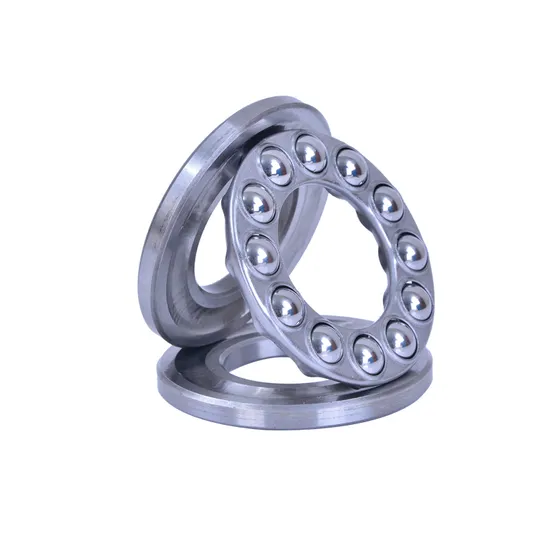
Timken NTN NSK 51201 51102 51202 Thrust Ball Bearing
View Details
SKF
-- SKF Authorized Engineering Partner
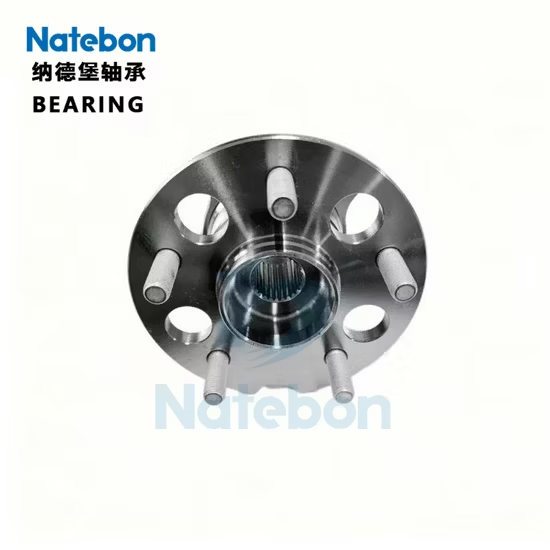
Natebon Wheel Bearing for Luxury and Passenger Vehicles — 3rd generation hub unit architecture engineered for diverse automotive and electric power steering applications.
15+ Certified Engineers On-Call
Free application analysis · Failure diagnosis · Custom modification guidance. Response within 24 hours.
Unified Fleet Sourcing — Procure mixed-brand wheel hub assemblies and EPS components through a single authorized channel, eliminating multi-vendor coordination for diverse passenger and commercial vehicle fleets.
| Parameter | Value |
|---|---|
| Product Type | Wheel Hub Bearing |
| Tolerance Class | P0 |
| Hub Architecture | 3rd Gen Hub Unit |
| Steering Compatibility | EPS Bearings |
| Vehicle Compatibility | Volkswagen, BMW, Benz, Audi, Toyota, Honda, Ford, and other major global brands |
| Origin | China |
| Industry | Typical Applications |
|---|---|
| Luxury Passenger Vehicles | Front and rear wheel-end assemblies requiring precise ABS sensor integration |
| Electric Power Steering (EPS) | Steering column and pinion support bearings for modern EPS systems |
| Commercial Fleet Vehicles | Heavy-duty wheel hub units for light trucks and delivery vans |
| Powertrain Systems | Transmission and differential support bearings in rear-wheel-drive platforms |
Sourcing from a verified Natebon wheel bearing supplier prevents the catastrophic thermal binding that destroys high-performance braking systems.
During my years transitioning from OE manufacturing to the aftermarket sector in Shenzhen, I witnessed a recurring nightmare: premium luxury sedans returning to the workshop with warped brake rotors and seized calipers. The root cause was rarely the brakes themselves. It was the wheel hub unit. When procurement teams rely on superficial cross-referencing that matches the base part number but ignores internal clearance and seal specifications, the bearing operates with zero thermal expansion margin. Under sustained highway speeds, the internal components bind, generating massive friction heat that transfers directly into the brake assembly [NEED_CITE: thermal degradation mechanisms in rolling element bearings per ISO 15243]. This silent failure mode compromises vehicle safety long before the brake pads reach their wear indicators, turning a routine maintenance interval into a critical safety recall.
The transition to 3rd generation hub units was driven by the need for higher rigidity and integrated sensor capabilities in modern chassis design. As a dedicated Natebon wheel bearing supplier, we ensure that every hub assembly we distribute features the precise flange geometry and ABS encoder ring alignment required by luxury vehicle stability control systems. This exact architectural match prevents the micro-vibrations that typically trigger false ABS fault codes in high-end passenger cars.
Wheel-end environments subject bearings to severe combined loads, including heavy radial impacts from po* The internal clearance must accommodate the thermal expansion generated by adjacent brake rotors, while the sealing system faces a constant barrage of road salt, water, and abrasive dust. If the seal lip material lacks the necessary elastomeric resilience or if the grease formulation degrades under elevated temperatures, moisture ingress rapidly initiates subsurface fatigue and raceway spalling [NEED_CITE: contamination-induced bearing failure classification]. Proper selection demands a holistic view of the vehicle’s operating climate and braking system thermal output.
For application-oriented procurement, selecting the right wheel hub bearing hinges on matching material options and tolerance classes to the specific vehicle platform. While standard bearing steel with P0 tolerance provides the dimensional accuracy necessary for reliable fitment in most passenger vehicles, specialized applications might require variants featuring advanced seal materials or specialized grease formulations to withstand higher thermal loads. The 3rd generation architecture inherently integrates the ABS sensor ring, meaning any deviation in the magnetic encoder’s positioning or material integrity will disrupt the vehicle’s electronic stability programs. Understanding these boundary conditions ensures the selected hub unit survives the rigorous demands of luxury automotive engineering without premature degradation.
Installing a hub unit with mismatched internal geometry or inadequate sealing does not just result in a noisy wheel; it triggers a cascade of secondary failures. According to the failure mode frameworks outlined in ISO 15243, contamination and improper internal clearance lead to premature surface fatigue and eventual seizure. This unplanned downtime forces workshops to replace not only the bearing but also the damaged CV joints, warped rotors, and compromised ABS sensors. The resulting warranty voidance and reputational damage far exceed the initial cost of sourcing the correct, fully traceable component from the outset [NEED_CITE: economic impact of secondary component damage in automotive repair].
We eliminate the guesswork that plagues traditional aftermarket sourcing by validating every 3rd generation hub unit against strict OEM dimensional profiles. While other vendors might supply a hub that physically bolts on but lacks the correct ABS encoder ring pitch, our technical team verifies the electronic compatibility before the quote is finalized. We maintain strict batch traceability for every Natebon wheel bearing we ship, ensuring that if a fleet manager needs to audit a specific production run, the manufacturer’s lot data is instantly accessible. Furthermore, our cross-reference protocols evaluate the sealing technology and internal grease fill, ensuring the replacement part genuinely matches the luxury vehicle’s original thermal and contamination resistance requirements.
To ensure the wheel hub assembly perfectly matches your fleet or workshop requirements, please provide the specific vehicle make, model year, and VIN or chassis number. Supplying details about the steering system configuration, particularly if the vehicle utilizes an advanced EPS setup, allows our engineering team to verify the exact spline count and flange geometry. In return, you receive a confirmed part number backed by complete OEM cross-reference validation and full technical documentation.
Q: How do I determine the exact wheel hub generation for a specific luxury vehicle?
A: Identifying the correct generation requires cross-referencing the vehicle’s OEM equipment number with the hub’s physical architecture, specifically checking for integrated ABS encoder rings and flange bolt patterns. Our engineering team verifies these dimensional and electronic parameters against the manufacturer’s database to ensure the 3rd gen unit matches the vehicle’s stability control requirements perfectly.
Q: What are the most common failure modes for wheel bearings in heavy-duty luxury SUVs?
A: Heavy luxury SUVs typically suffer from premature spalling and seal degradation due to high combined loads and severe thermal cycling from large brake rotors. When internal clearance is insufficient to handle thermal expansion, the bearing binds and overheats. Sourcing units with verified grease formulations and robust sealing lips prevents these contamination and thermal fatigue failures.
Q: Can I use a standard hub unit if the vehicle originally had an EPS-specific bearing?
A: Substituting a standard hub for an EPS-compatible unit is highly discouraged, as modern electric power steering systems rely on precise friction characteristics and dimensional tolerances to function correctly. An incorrect bearing can cause steering bind, excessive motor current draw, and premature EPS failure. Always verify the steering system compatibility during the cross-reference process.
Q: What documentation is provided to verify the authenticity of the wheel hub assemblies?
A: Every shipment includes a Certificate of Conformity, material test reports, and dimensional inspection data confirming the P0 tolerance. Additionally, each unit features a unique QR code that can be scanned via official brand applications to verify the manufacturing batch, ensuring complete traceability and protecting your workshop from counterfeit components.
Main shaft, gearbox, and generator bearings for onshore and offshore wind turbines. Engineered for 20+ year service life.
Crushers, conveyors, and processing equipment bearings designed to withstand shock loads and contaminated environments.
Rolling mill and continuous casting bearings rated for extreme temperatures, heavy loads, and aggressive lubricants.
Hub units, transmission, and electric motor bearings meeting TS 16949 requirements for passenger and commercial vehicles.
Machine tool spindle and robotics bearings with P4/P2 accuracy class for ultra-precise positioning and minimal vibration.
Pumps, fans, compressors, and conveyor systems across all manufacturing sectors requiring reliable, cost-effective bearing solutions.
Official partner since 1998 with direct access to SKF technical resources, genuine products, and engineering expertise.
In-house team provides application design, failure analysis, and predictive maintenance -- reducing bearing failures by 35%.
Every product undergoes rigorous pre-shipment inspection with full documentation for traceability and compliance.
Dedicated account managers and reliable delivery networks ensure on-time supply for enterprise clients worldwide.
Performance Metrics
35%
Failures Prevented
70%
Downtime Reduction
25+
Years Experience
24h
Quote Response
78% of large enterprises prefer suppliers offering integrated technical support and lifecycle services.
Custom bearing selection and system design based on your specific load conditions, speeds, temperatures, and environmental factors.
Root-cause investigation of bearing failures using metallurgical testing, vibration analysis, and operating data review.
IIoT-enabled monitoring with smart sensor bearings for real-time vibration, temperature, and RPM tracking.
Modified bearings with special coatings, seals, tolerances, or materials. Lead time 8-12 weeks from official channels.
Certified engineers available for on-site installation support, alignment checks, and commissioning assistance worldwide.
Long-term service agreements including regular maintenance checks, replacement scheduling, and performance reporting.
Free samples available for orders over $50K
Validated against your KPIs before full production commitment.
-- Get In Touch
Our certified engineers will review your application requirements and provide a detailed quote within 24 hours.
Address
No. 377 Bansongyuan Road, Huangpu District, Shanghai, China
Free Sample Program
Orders over $50K qualify for free product samples
Test against your KPIs before full production commitment. Ask our engineers for details.
Regarding: Natebon Wheel Bearings for Luxury Vehicles – Industrial Grade
-- Related Products

SKF Authorized Engineering Partner
Need technical support or a custom solution?
15+ certified engineers ready to help. Response within 24 hours.