
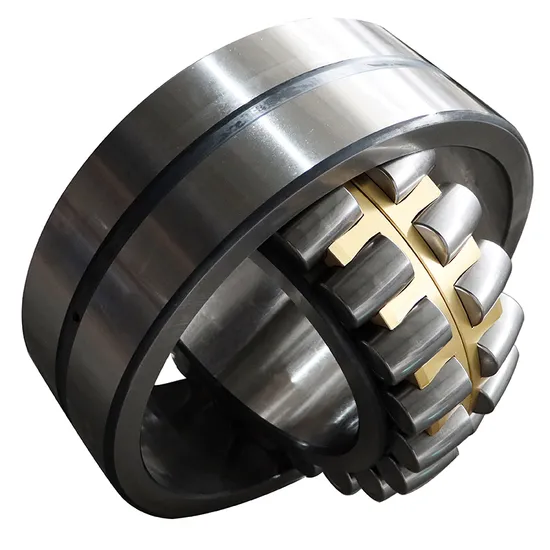
NSK Timken 24122-24132EAE4 Self-Aligning Roller Bearing
View Details
SKF
-- SKF Authorized Engineering Partner
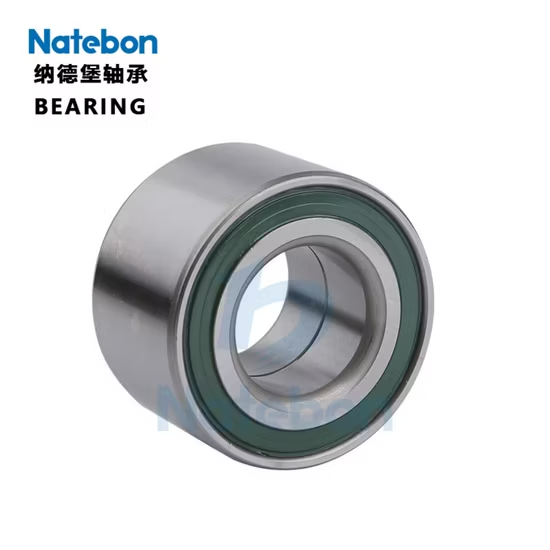
Passenger Car Wheel Bearing for 3rd Gen Hub Units and EPS Systems — engineered for diverse passenger and commercial vehicle platforms with P0 tolerance.
15+ Certified Engineers On-Call
Free application analysis · Failure diagnosis · Custom modification guidance. Response within 24 hours.
Three-point cross-reference alignment — we verify base application, internal hub geometry, and seal configuration to prevent mismatched fitments across diverse vehicle platforms.
| Parameter | Value |
|---|---|
| Product Type | Wheel Hub Unit |
| Tolerance | P0 |
| Wheel Hub System | 3rd Gen Hub Unit |
| Steering System | EPS Bearings |
| Suitable for Car Brands | Volkswagen, BMW, Toyota, Honda, Ford, Audi, Hyundai, Nissan, and other major global marques |
| Origin | China |
| Specification | Customized |
| Industry | Typical Applications |
|---|---|
| Automotive Aftermarket | Front and rear wheel end assemblies for passenger sedans, SUVs, and light trucks |
| Steering System Repair | Electric power steering column and rack pinion support mechanisms |
| Fleet Maintenance | Commercial light-duty vehicle wheel hub replacements and drivetrain service |
Matching the vehicle model is only the first step; internal spline counts and flange offsets dictate actual fitment.
When sourcing replacement units for modern passenger vehicles, procurement teams often rely solely on the basic vehicle application list. This approach frequently leads to installing units with incorrect internal hub designs or mismatched ABS encoder ring specifications. Such cross-reference errors cause immediate dashboard warning lights or subtle vibration issues that only manifest at highway speeds. A reliable passenger car wheel bearing supplier prevents these field failures by validating the exact internal geometry against the original equipment requirements before dispatch [NEED_CITE: common wheel end failure modes in automotive aftermarket].
Third-generation hub units integrate the wheel flange and ABS sensor ring directly into the bearing assembly, minimizing unsprung mass and optimizing wheel end stiffness. As a dedicated passenger car wheel bearing supplier, we ensure these integrated units meet the precise P0 tolerance requirements necessary for smooth highway cruising. The customized specifications allow us to match the exact flange bolt patterns and pilot diameters required by specific vehicle platforms, eliminating the need for aftermarket adapters or spacers during installation.
Wheel end assemblies endure a brutal combination of radial vehicle weight, axial cornering loads, and severe environmental contamination. In arid regions, fine desert dust easily breaches compromised seals, mixing with the factory grease to form an abrasive paste that rapidly destroys the raceways. Proper seal selection is critical; contact seals provide superior exclusion but generate friction heat, while non-contact shields reduce friction but allow fine particulate ingress. Evaluating the specific operating environment ensures the chosen seal design balances thermal management with contamination protection [NEED_CITE: seal friction and contamination ingress trade-offs in rolling bearings].
The P0 tolerance class represents the standard dimensional and running accuracy for automotive wheel applications, ensuring acceptable noise, vibration, and harshness levels for passenger comfort. For electric power steering systems, the EPS bearings must handle rapid directional reversals and high-frequency micro-vibrations without developing brinelling damage. While standard bearing steel handles most environments, specific steering column applications may require alternative material options, such as specialized steel grades or ceramic rolling elements, to mitigate electrical pitting caused by stray currents in modern hybrid and electric vehicles.
Installing a hub unit with the wrong internal clearance or incorrect ABS tone ring configuration leads to immediate diagnostic faults and rejected vehicle inspections. According to failure analysis frameworks like ISO 15243, improper mounting or geometric mismatch accelerates fatigue spalling and eventual structural collapse of the wheel end. This results in unplanned downtime, voided warranty claims, and severe safety liabilities for the repair facility. Sourcing verified components eliminates the risk of catastrophic wheel detachment and protects the workshop’s reputation [NEED_CITE: rolling bearing failure mode classification per ISO 15243].
The automotive aftermarket is heavily targeted by counterfeiters who clone external packaging and QR codes while using soft, under-hardened inner rings. We address this by providing full batch traceability to the manufacturer, allowing buyers to verify the origin of every 3rd gen hub unit. Our cross-brand interchange process checks the exact flange offset and seal type, not just the base vehicle application. Furthermore, our application-based selection review ensures that EPS bearings and wheel hubs are matched to the specific load and thermal conditions of the target vehicle platform.
To ensure precise fitment and avoid cross-reference errors, please provide the specific vehicle identification number, original equipment part number, or exact chassis code. Sharing details regarding the steering system type and wheel end configuration allows our engineering team to confirm the correct 3rd gen hub unit or EPS bearing variant. This technical review guarantees that the supplied passenger car wheel bearing matches the required flange geometry, spline count, and seal design for your specific automotive application.
Q: How do I determine the exact hub unit designation for a specific vehicle platform?
A: Relying solely on the vehicle make and model year often leads to errors due to mid-year production changes. Provide the complete vehicle identification number or the original equipment manufacturer part number. Our engineering team cross-references the internal spline count, flange offset, and ABS encoder specifications to identify the precise wheel hub unit required for a direct, error-free installation.
Q: What are the most common failure modes for wheel hub bearings in passenger vehicles?
A: Premature failures typically stem from seal degradation allowing moisture and abrasive road dust to contaminate the grease. Other frequent issues include improper axle nut torque, which alters the internal clearance, leading to excessive heat generation and raceway spalling. Electrical pitting is also increasingly common in hybrid vehicles if the EPS bearings lack proper insulation against stray currents.
Q: How does material selection impact steering and wheel bearing performance?
A: Standard bearing steel provides the necessary load capacity for most wheel end and steering column applications. However, environments with high moisture exposure or specific electrical hazards may benefit from alternative material options. Selecting specialized steel grades or ceramic variants can substantially improve corrosion resistance and prevent electrical erosion, extending the service life of the EPS and hub assemblies.
Q: What cross-brand interchange factors matter when sourcing automotive aftermarket bearings?
A: A successful interchange requires matching more than just the outer dimensions. The internal hub geometry, seal friction characteristics, and ABS tone ring configuration must perfectly align with the vehicle’s electronic stability and braking systems. We verify these critical parameters to ensure the replacement unit functions identically to the original equipment without triggering dashboard fault codes.
Q: When should a third-generation hub unit be replaced during routine maintenance?
A: Unlike serviceable tapered roller bearings, sealed third-generation units are maintenance-free and replaced as a complete assembly. Indicators for replacement include audible humming or growling noises that change pitch with vehicle speed, excessive wheel play when lifted, or illuminated ABS warning lights indicating a damaged internal encoder ring. Prompt replacement prevents catastrophic wheel end separation.
Main shaft, gearbox, and generator bearings for onshore and offshore wind turbines. Engineered for 20+ year service life.
Crushers, conveyors, and processing equipment bearings designed to withstand shock loads and contaminated environments.
Rolling mill and continuous casting bearings rated for extreme temperatures, heavy loads, and aggressive lubricants.
Hub units, transmission, and electric motor bearings meeting TS 16949 requirements for passenger and commercial vehicles.
Machine tool spindle and robotics bearings with P4/P2 accuracy class for ultra-precise positioning and minimal vibration.
Pumps, fans, compressors, and conveyor systems across all manufacturing sectors requiring reliable, cost-effective bearing solutions.
Official partner since 1998 with direct access to SKF technical resources, genuine products, and engineering expertise.
In-house team provides application design, failure analysis, and predictive maintenance -- reducing bearing failures by 35%.
Every product undergoes rigorous pre-shipment inspection with full documentation for traceability and compliance.
Dedicated account managers and reliable delivery networks ensure on-time supply for enterprise clients worldwide.
Performance Metrics
35%
Failures Prevented
70%
Downtime Reduction
25+
Years Experience
24h
Quote Response
78% of large enterprises prefer suppliers offering integrated technical support and lifecycle services.
Custom bearing selection and system design based on your specific load conditions, speeds, temperatures, and environmental factors.
Root-cause investigation of bearing failures using metallurgical testing, vibration analysis, and operating data review.
IIoT-enabled monitoring with smart sensor bearings for real-time vibration, temperature, and RPM tracking.
Modified bearings with special coatings, seals, tolerances, or materials. Lead time 8-12 weeks from official channels.
Certified engineers available for on-site installation support, alignment checks, and commissioning assistance worldwide.
Long-term service agreements including regular maintenance checks, replacement scheduling, and performance reporting.
Free samples available for orders over $50K
Validated against your KPIs before full production commitment.
-- Get In Touch
Our certified engineers will review your application requirements and provide a detailed quote within 24 hours.
Address
No. 377 Bansongyuan Road, Huangpu District, Shanghai, China
Free Sample Program
Orders over $50K qualify for free product samples
Test against your KPIs before full production commitment. Ask our engineers for details.
Regarding: Passenger Car Wheel Bearing 3rd Gen Hub Unit EPS Low Noise Secure
-- Related Products

SKF Authorized Engineering Partner
Need technical support or a custom solution?
15+ certified engineers ready to help. Response within 24 hours.